
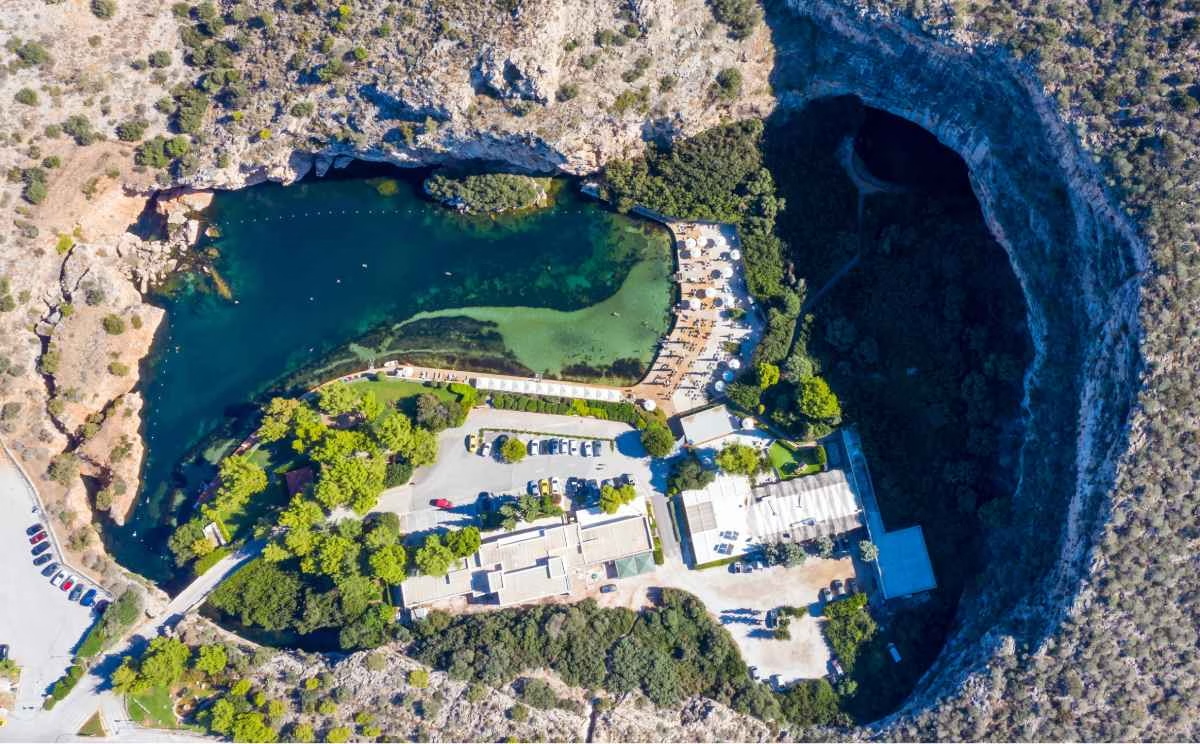
The Athens coastline offers a break from archaeological sightseeing, but it is not one continuous sandy beach. Different parts are better for an easy promenade, a swim, coastal scenery or a more ambitious trip to Cape Sounion.

Where to go
Palaio Faliro and Flisvos are useful for a waterfront walk without planning a full beach day. Alimos and neighbouring stretches have organised and open coastal areas, with access and facilities varying by section. Glyfada offers a southern-suburb setting with beaches, shops and public transport connections. Farther along, Voula, Vouliagmeni and Varkiza are options for a longer day by the water; some beaches charge admission and others are publicly accessible.
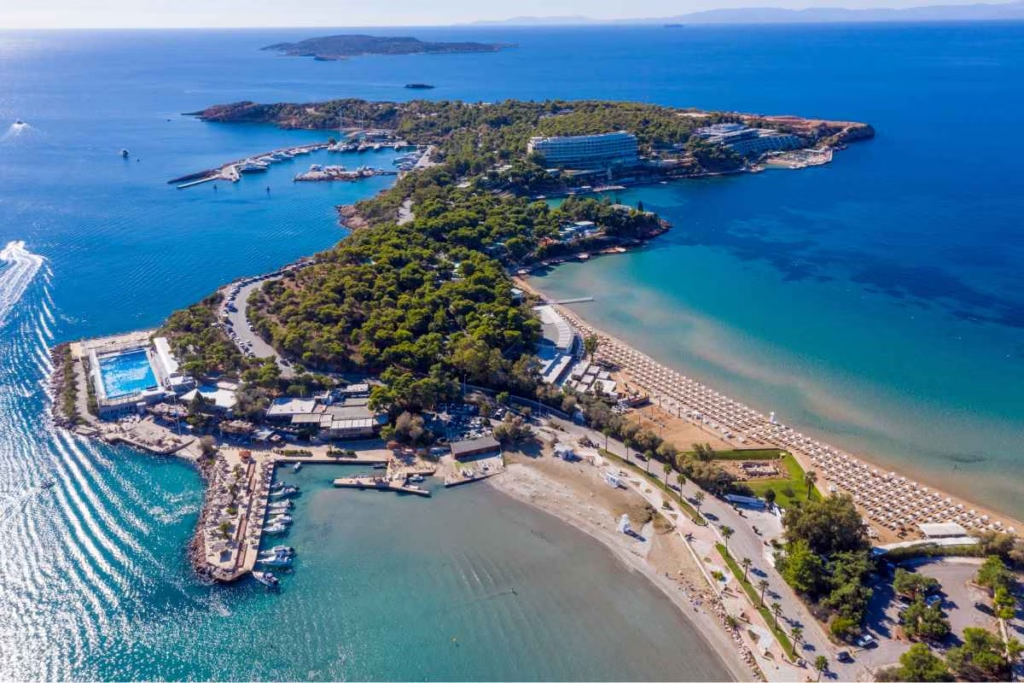
How to get there without a car


The tram reaches parts of the coast, and buses serve locations beyond the tram network. Do not assume the tram reaches every beach or that one ticket covers an entire coast-hopping route efficiently. For Vouliagmeni or Varkiza, expect additional travel beyond the central tram-connected sections. Check OASA connections for your exact destination.
Choose a beach carefully
Check whether the beach is sandy or rocky, whether access is free or organised, and whether facilities such as toilets, shade and lifeguards are available on the day you intend to visit. These details change by beach and season. Wind conditions and heat matter too, particularly with children.
Riviera or Sounion?
If you mainly want to swim, stay within the areas that suit your transport plan. If you want a dramatic coastal archaeological site, make a separate outing to Cape Sounion and the Temple of Poseidon. Trying to fit several beaches and Sounion into a short afternoon usually produces more driving than time by the sea.

TAKE ATHENS BEYOND THE CENTRE
Add the coast, sunset or a day trip.
The city works best when you mix the headline sights with slower experiences, coastal time and one or two well-chosen excursions.
AFFILIATE BOOKING OPTIONS
Make a day of the coastline.
If you prefer an organised coastal excursion, check the available experiences and whether transport is included.
Affiliate link. We may earn a commission at no extra cost to you.

Planning time in Athens and by the sea?
Compare central and coastal accommodation listings by area, category and travel dates.