
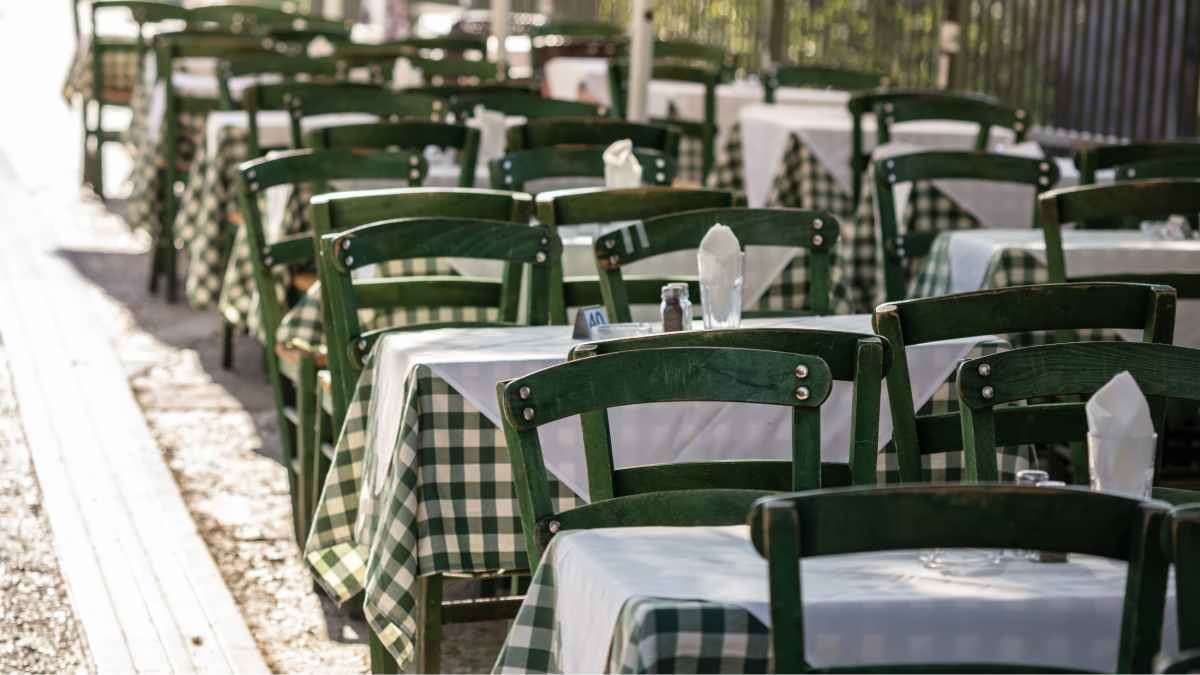
In a Greek taverna, eating is often a shared experience: dishes arrive for the table and people decide together what to try. You do not need a long recommendation list to enjoy it, but it helps to understand the menu and avoid ordering more food than you want.

What appears on menus
Look for seasonal vegetable dishes, grilled fish or meat, salads and slowly cooked specialities. Meze refers to small shared dishes rather than a single fixed set menu. Portions and serving styles vary, so ask before ordering several plates for a small group.

Choosing a place


Read the menu outside, check prices and look at what is actually offered rather than relying on promises of an “authentic experience”. A taverna on a busy tourist street is not automatically poor, just as a quiet side-street place is not automatically excellent. Service, food handling, accessibility and opening days are more useful considerations than a generic neighbourhood ranking.
A practical cultural point
Meals may take longer than visitors are used to. If you need to reach a timed museum entry or ferry, leave a buffer rather than trying to fit a full lunch into half an hour. If you have dietary restrictions, ask about specific ingredients and preparation methods.

EAT IN CONTEXT
Use food stops to support the day.
Markets, coffee stops and tavernas make most sense when they sit naturally inside a walking route or neighbourhood plan.